
Retail Theft Is Costing You More Than You Think
Shoplifting is often measured by the value of the products that leave the store without being paid for.
But the real cost is much bigger. Every stolen item can contribute to inventory shrinkage, lost profit, additional operational costs, employee stress, and a less positive customer experience. For retailers, theft is not simply a security problem it is a business problem. And when losses happen repeatedly, even small incidents can add up quickly.
The Cost Goes Beyond Stolen Products
When a product is stolen, the immediate loss seems simple: the retailer loses the value of that item. But the impact does not stop there.
Retail theft can affect:
Inventory accuracy
Employee productivity
Customer experience
Security and operational costs
Pricing and business decisions
Shrinkage is the difference between the inventory a retailer expects to have and what is actually available.
Shoplifting is one of several causes of shrink, alongside employee theft, damage, and administrative errors. This means that every unexplained inventory loss can create additional work for store teams and make it harder to understand what is really happening inside the business.
Small Losses Can Become Big Losses
A single stolen product may not seem significant.
But consider how quickly repeated incidents can add up. If a store loses $50 worth of merchandise every day, that represents more than $18,000 in annual losses. And that is only the value of the merchandise. The actual financial impact can be higher once additional costs such as investigation, inventory discrepancies, security measures, and operational time are considered. For retailers operating across multiple locations, these losses can multiply quickly.
Why it matters: Retailers need visibility into where and when losses are happening not just a final inventory number showing that something is missing.
Employees Pay the Price Too
Retail theft also creates pressure on employees. Retail security should support employees rather than place the entire responsibility on them.
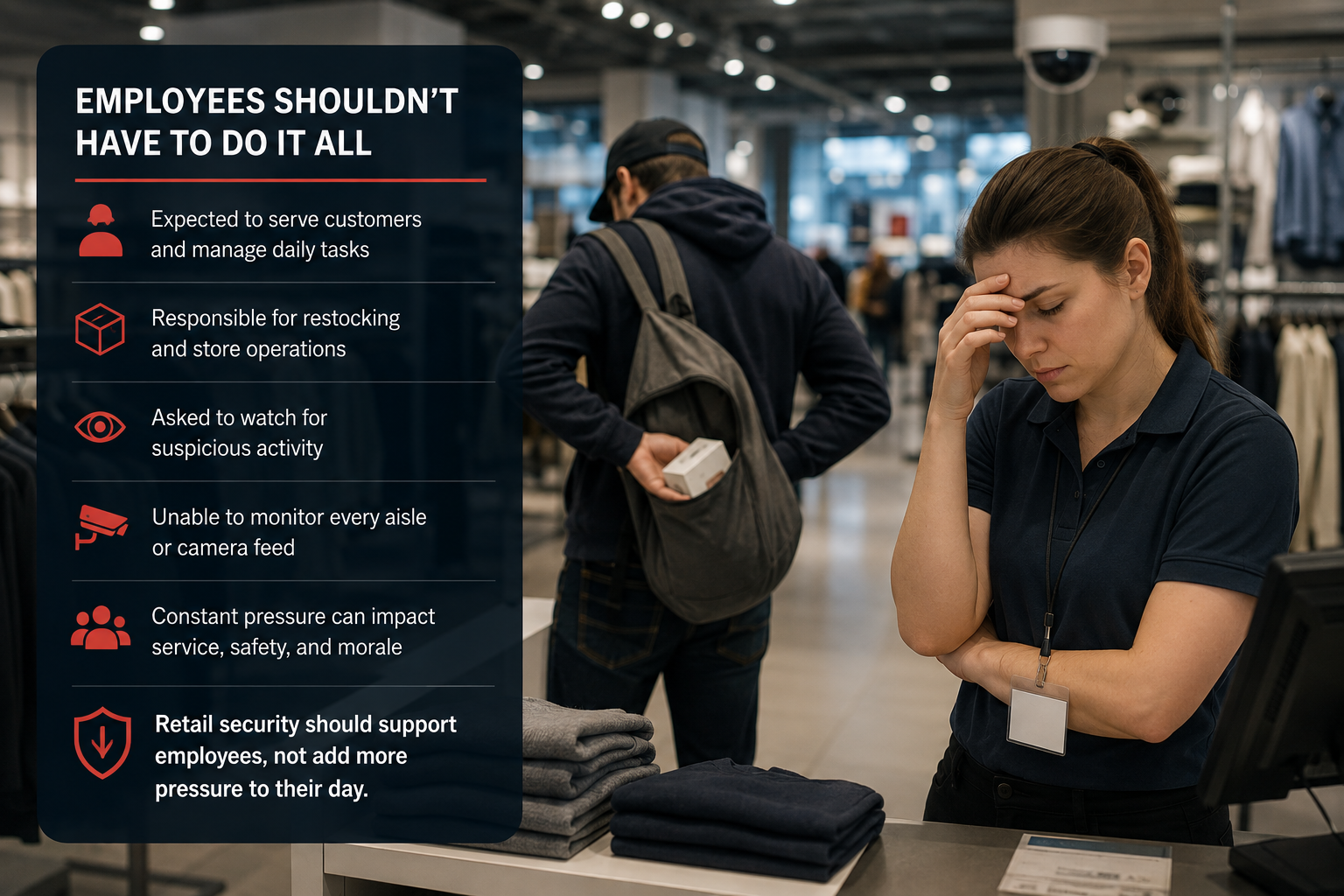
Store associates are expected to serve customers, restock shelves, manage checkout areas, and handle daily operations.
At the same time, they may be expected to watch for suspicious activity. They cannot realistically monitor every aisle and every camera feed at once.
When employees are constantly trying to prevent theft, customer service can suffer. Employees may also feel uncomfortable or unsafe when dealing with repeated theft incidents.
Theft Can Change the Customer Experience
Retailers also have to consider how loss prevention affects honest shoppers. In response to theft, businesses may place more products behind locked displays, increase security personnel, or introduce additional restrictions around certain products. These measures can help reduce losses, but they can also create friction for customers. The challenge is finding a balance between protecting merchandise and keeping the shopping experience convenient.
The goal should not simply be more security. It should be smarter security.
Traditional Cameras Don't Prevent What They Don't Detect
Most retail stores already have security cameras installed. The problem is that traditional CCTV primarily records what happens.
When an incident occurs, someone may need to search through hours of footage to determine what happened. By that point, the product may already be gone, and the opportunity to intervene has passed. This is where AI-powered video surveillance can make a difference.
Instead of using cameras only as a record of past events, AI can analyse video activity and identify behaviour that may require attention.
Turn Existing Cameras Into Proactive Security Tools
AI-powered surveillance can add an intelligent layer to a retailer's existing CCTV infrastructure. Rather than replacing every camera, retailers can use their current camera systems while adding AI capabilities that help identify suspicious activity and bring important events to the attention of the right people.
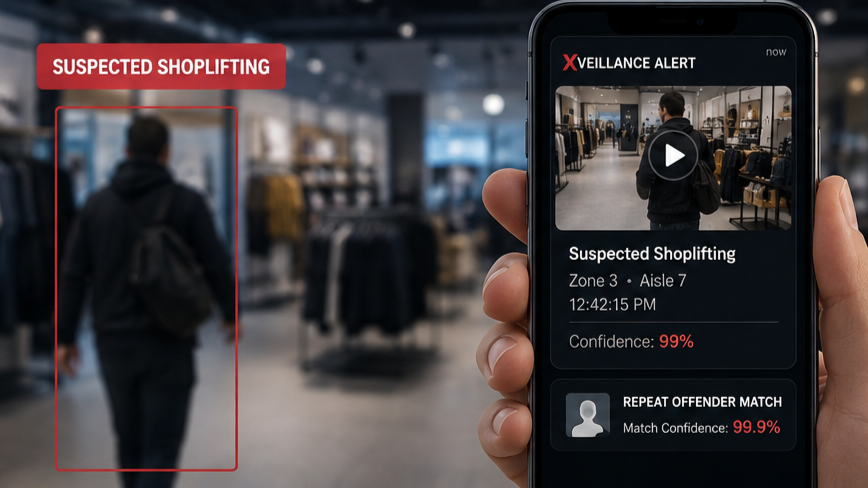
XVeillance delivers 99% accurate shoplifting alerts and 99.9% accurate real-time repeat-offender identification.
This means retailers can move beyond simply reviewing footage after an incident and gain greater visibility into potential theft as it happens.
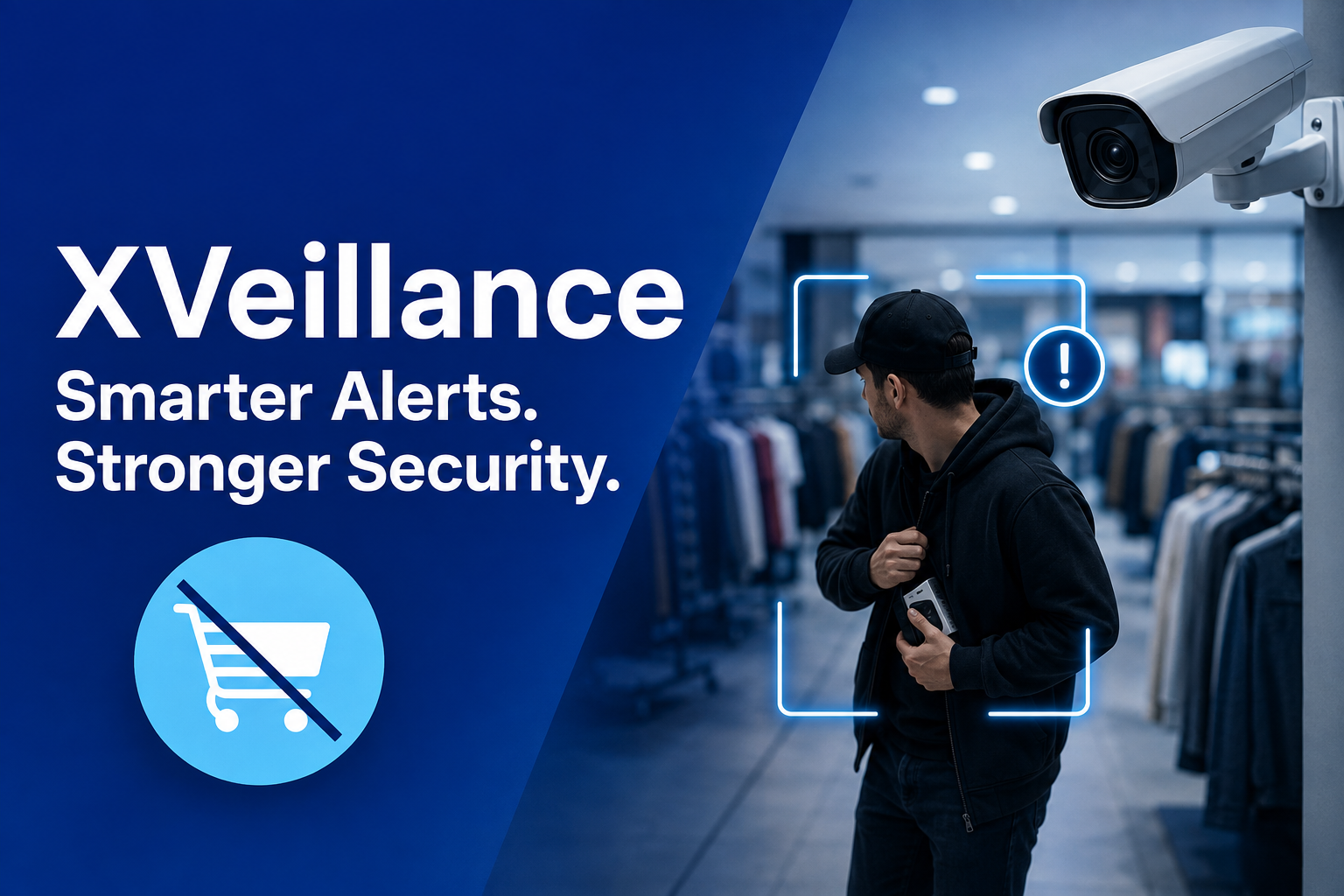
Depending on the system and configuration, AI can help detect patterns such as:
Unusual movement around merchandise
Attempts to conceal products
Suspicious interactions with shelves or merchandise
Repeated activity in high-risk areas
Behaviour that may indicate potential theft
When something requires attention, the system can notify the appropriate team so they can assess the situation. Instead of searching through hours of recordings after a loss occurs, retailers can focus their attention on the moments that matter.
From Passive Surveillance to Smarter Loss Prevention
Retail theft is not just about the price tag attached to a stolen product. It can affect profitability, inventory accuracy, employee workload, store operations, and the customer experience. That is why modern loss prevention needs to move beyond simply recording incidents.
AI-powered surveillance can help retailers use the cameras they already have to gain better visibility, respond faster, and support their teams.
Your cameras are already watching. The next step is making them understand what they see.