
XVeillance Unique AI Model
Multi-Layer AI Built for Real-Time Retail Protection
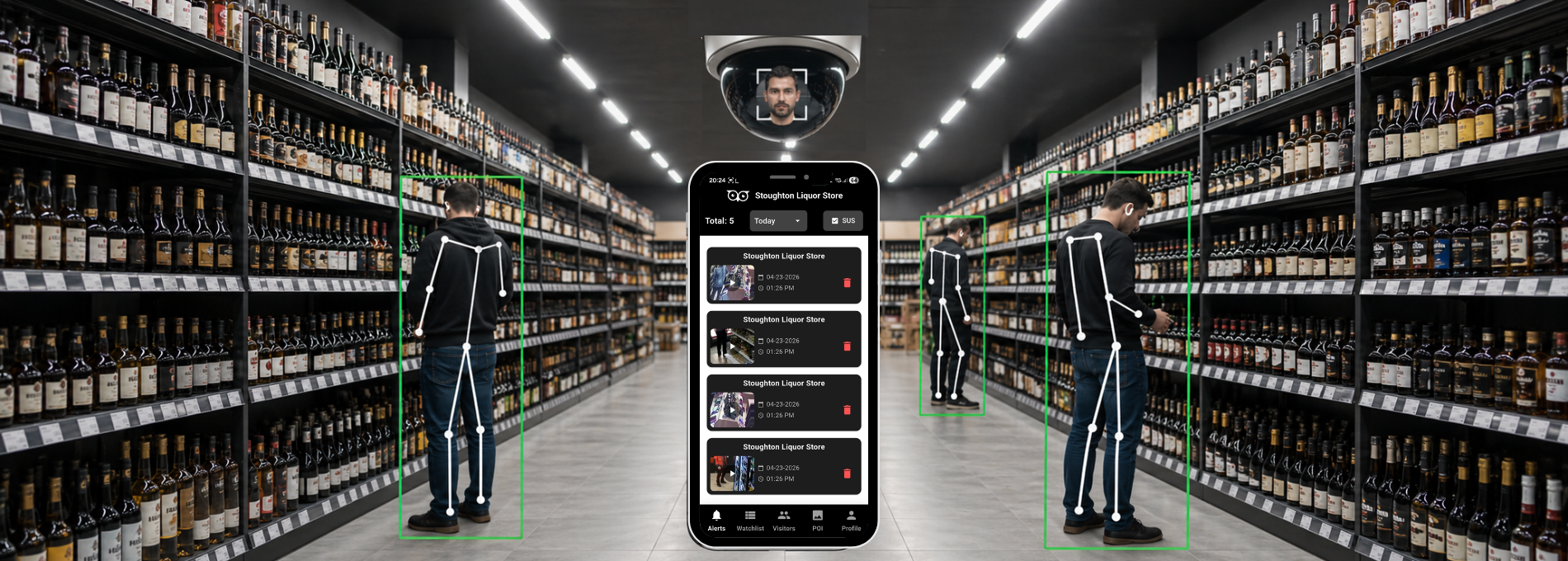
XVeillance uses a multi-layer AI architecture to identify potential shoplifting activity as it happens. Rather than relying on a single image, movement, or AI model, the system analyzes activity over time and evaluates multiple independent signals before generating an alert.
Understand Behavior, Not Just Motion
Traditional video analytics can detect people and movement. XVeillance goes further by analyzing patterns of activity, object interactions, and surrounding context to distinguish routine shopping behavior from potentially suspicious events.
Multi-Layer AI Analysis
Different AI capabilities examine different aspects of an event. Behavioral patterns, visual activity, object interactions, and contextual information can be analyzed independently, allowing the system to build a more complete understanding of what is happening.
Intelligent Verification
Potential events receive additional AI analysis before an alert is generated. This verification stage examines the relevant video sequence in greater context, helping reduce false alerts while maintaining sensitivity to genuine concealment behavior.
Evidence Fusion
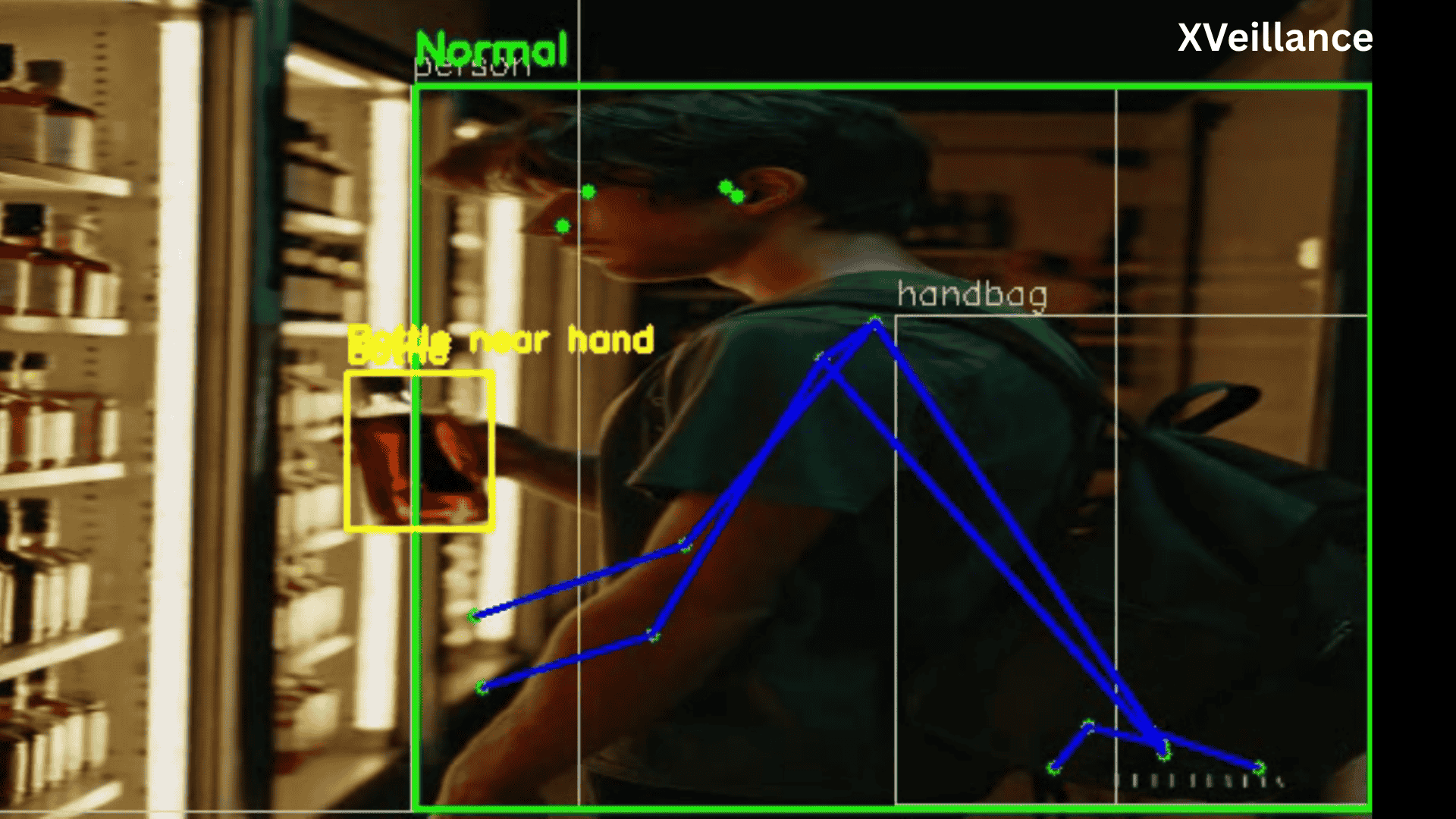
Instead of allowing one signal to determine the result, XVeillance combines multiple sources of AI evidence to assess an event. This layered approach helps distinguish ordinary shopping activities—such as browsing, examining products, or handling personal belongings—from behavior that may indicate theft.
Real-Time Alerts
When the combined evidence reaches the required confidence level, XVeillance automatically generates an alert with the relevant video evidence and event information, enabling store personnel to respond quickly.
Designed for Real-World Retail
The architecture is designed for real-world store environments with multiple cameras, changing lighting, different store layouts, shopper movement, partial occlusion, and other challenges found in everyday retail operations.
How XVeillance Technology Platform Works
1. Real-time Person Detection, Gesture-Based Shoplifting Detection & Face Recognition
A real-time video processing pipeline begins by capturing and pre-processing CCTV streams, extracting frames every 100 milliseconds to balance speed and accuracy. Image enhancement techniques—such as denoising and contrast adjustment—optimize visibility, enabling reliable face detection even under poor lighting or noisy conditions. In parallel, advanced gesture recognition algorithms analyze human movements, identifying suspicious behaviors like concealing items in clothing or backpacks. This combined analysis enables both accurate identification and early detection of shoplifting actions, preparing enriched data for immediate alerting and downstream processing.
2. Behavioral Cross-Validation
After pre-processing, the AI-powered XVeillance algorithm detects gestures and faces in real time. Detected gestures and faces are then cropped and aligned for consistency, enhancing recognition accuracy. Our deep learning model converts these images into unique numerical embeddings, allowing fast and reliable identification across frames. This streamlined process ensures precise face recognition, even in dynamic environments.
3. Image Comparison with Registered Images Using Deep Learning
XVeillance maintains a database of registered shoplifting behaviors and faces. When a new image embedding is extracted, it is compared against the database using similarity measures such as a deep 3D neural network. If the similarity score exceeds a predefined threshold (e.g., 0.8), the system confirms a match, enabling seamless identification and real-time alerts when necessary.
4. Real-Time Mobile Alerts for Face Matches & Suspicious Gestures
When a match is detected—whether from facial recognition or gesture-based shoplifting behavior—the system immediately triggers an alert. Each alert includes vital metadata: the detected face image, gesture snapshots, confidence scores, timestamp, camera ID, and store location. These alerts are delivered in real-time to security staff through a dedicated mobile app or web dashboard, enabling swift on-site intervention. Meanwhile, corporate administrators can access a centralized web application with detailed reports and behavior analytics, supporting organization-wide oversight and proactive loss prevention strategies.